






The rise of AI writing tools has completely transformed digital publishing, SEO, and content marketing. But as AI-generated content becomes more common, another industry is rapidly growing alongside it: AI content detection. In 2026, brands, publishers, educators, and search platforms are increasingly trying to distinguish between AI-assisted writing and genuinely human-created content. At the same time, writers are adapting by blending AI efficiency with human creativity, strategy, and authenticity.
The result is a new content landscape where the debate is no longer simply “AI vs humans,” it’s about how both are evolving together.
AI Writing Is Becoming the New Industry Standard
AI writing tools like ChatGPT, Claude, and Jasper are now deeply integrated into modern content workflows.
Writers use AI for:
- Blog drafting
- SEO optimization
- Content ideation
- Research summarization
- Email marketing
- Social media content
Instead of replacing writers completely, AI is primarily being used to accelerate production and reduce repetitive work.
The biggest trend in 2026 is not fully automated publishing, it’s AI-assisted human workflows.
AI-Assisted Content Creation Is Everywhere
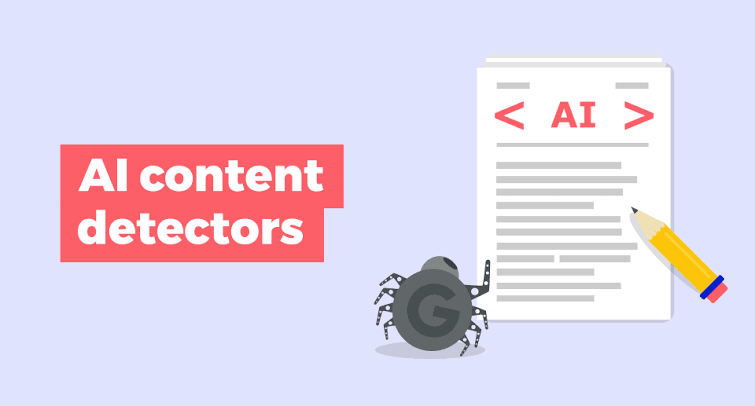
AI Content Detectors Are Growing Rapidly
As AI-generated articles flood the internet, AI detection tools are becoming increasingly popular among:
- Publishers
- Schools and universities
- SEO agencies
- Hiring teams
- Content moderation platforms
Popular detection platforms include:
- Originality.ai
- GPTZero
- Copyleaks
These tools analyze writing patterns, predictability, sentence structure, and linguistic consistency to estimate whether content may have been AI-generated.
Platforms Are Trying to Identify Machine-Generated Content
The Biggest Problem: AI Detection Is Often Inaccurate
One of the biggest trends right now is growing criticism of AI detection reliability.
Many human-written articles are incorrectly flagged as AI-generated, especially when:
- Writing is highly structured
- Tone is formal
- Grammar is extremely polished
- SEO formatting is optimized
At the same time, heavily edited AI content often bypasses detection systems entirely. This has created a major industry debate around whether AI detectors are truly reliable enough for professional decision-making.
False Positives Are Becoming a Major Concern
Human Writers Are Shifting Toward “Human-Layer Content”
Because AI can now generate generic informational content quickly, human writers are focusing more on areas where originality matters most.
Trending human focused content includes:
- Personal experiences
- Expert commentary
- Unique storytelling
- Case studies
- Deep analysis
- Opinion based writing
The market is increasingly rewarding content that feels authentic, emotionally intelligent, and experience-driven.
Creativity, Experience & Opinion Are Becoming More Valuable
AI Detectors vs Writers Is Becoming an Endless Race
As AI models improve, AI-generated writing becomes increasingly natural and difficult to detect. At the same time, detection systems continue evolving to identify more subtle patterns. This ongoing cycle is creating what many consider an “arms race” between:
- AI writing systems
- AI detection platforms
- Human editing workflows
The line between human and AI-created content is becoming harder to define each year.
Detection Technology Keeps Evolving, So Does AI Writing
Final Thoughts
The biggest trend in 2026 is clear: the future of content creation is not purely human or purely AI.
Instead, the industry is moving toward:
- AI-assisted productivity
- Human-led creativity
- Hybrid editorial workflows
- Higher-quality content standards
AI tools are helping writers work faster, but human perspective, expertise, emotion, and originality remain the strongest differentiators.
The creators who succeed long term will not be the ones avoiding AI completely; they’ll be the ones learning how to combine AI efficiency with authentic human value.