


The world of social media and entertainment is entering a fascinating new era, one where influencers aren’t even human. Meet the rise of virtual influencers: AI-generated digital personalities taking over Instagram feeds, YouTube channels, and brand campaigns worldwide. These lifelike avatars are reshaping how brands connect with audiences, proving that the future of influence is as virtual as it is powerful.
What Are Virtual Influencers?
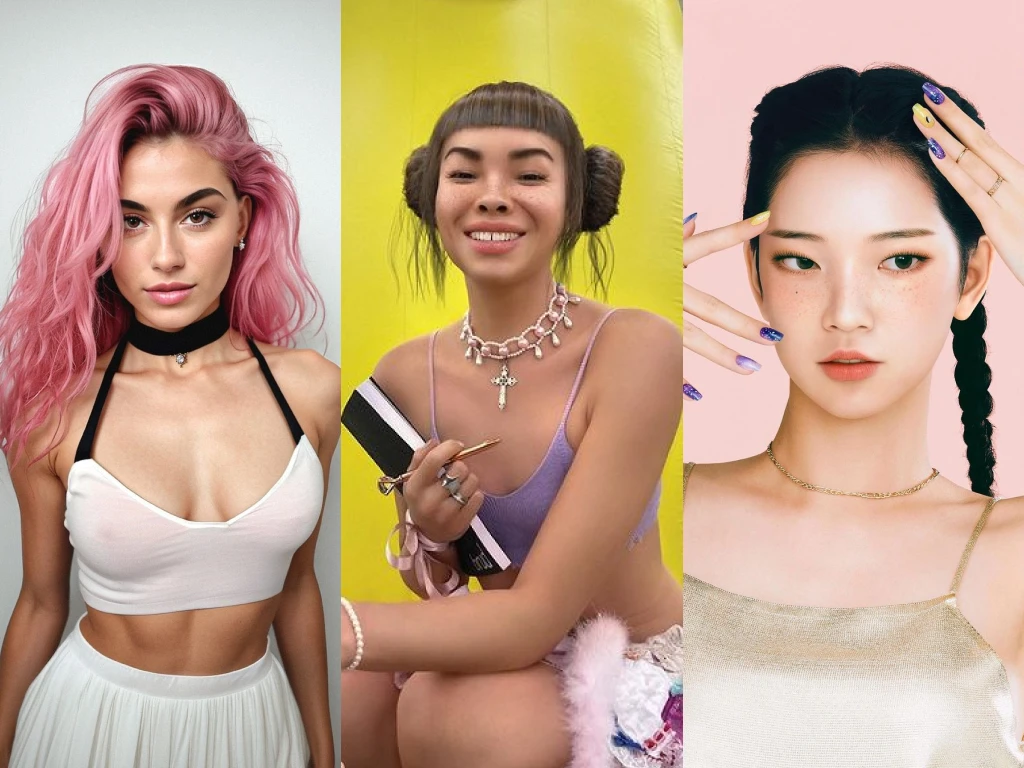
Virtual influencers are computer-generated characters designed to act like real people. Created with advanced 3D modeling, animation, and AI, they post photos, share stories, and interact with followers online. Some, like Lil Miquela, Imma, and Shudu, have millions of fans and brand partnerships with global companies like Prada and Samsung.
Follow the trend, discover how AI influencers are reshaping digital storytelling.
Why Brands Are Embracing Virtual Influencers
For brands, virtual influencers offer creativity without constraints. They don’t age, get tired, or stir controversy, and can represent any aesthetic, culture, or lifestyle a campaign demands. They also provide complete creative control, allowing marketers to maintain consistency while tapping into futuristic digital appeal.
Partner smart, explore how virtual influencers can elevate your brand campaigns.
The Power of AI in Virtual Personality Creation
Behind every virtual influencer lies a blend of AI algorithms and human storytelling. Artificial intelligence helps simulate emotions, generate content, and respond to comments in real time. This combination of data and creativity makes digital influencers appear authentic, relatable, and emotionally engaging, despite being entirely virtual.
Leverage AI, bring your brand to life with intelligent digital characters.
Redefining Entertainment and Engagement
Virtual influencers aren’t limited to advertising; they’re now entering music, fashion, and gaming. Lil Miquela has released songs, while other avatars host live events and collaborate with real-world celebrities. These characters bridge the gap between technology and entertainment, creating immersive storytelling experiences for global audiences.
Engage your audience, explore new possibilities in virtual entertainment.
The Ethics and Authenticity Debate
As digital avatars gain fame, questions about authenticity, transparency, and ethics are emerging. Should followers know they’re interacting with AI? Are virtual influencers replacing human creativity? Brands must navigate these issues carefully to ensure honesty and maintain audience trust in this evolving digital landscape.
Be transparent; authenticity is key to sustainable virtual engagement.
The Future of Virtual Branding
In 2025 and beyond, virtual influencers will become core assets in digital branding. They’ll power metaverse campaigns, appear in AR experiences, and even co-host live events. As technology advances, the lines between real and virtual influence will continue to blur, and brands that adapt early will lead the next marketing revolution.
Step into the future, integrate virtual influencers into your digital strategy today.
Final Thoughts
Virtual influencers represent the next big leap in digital communication and creativity. They combine storytelling, AI, and visual design to create immersive, emotion-driven connections between brands and audiences. Whether you’re a marketer, creator, or trend watcher, one thing is clear: the future of influence is virtual, and it’s already here.