







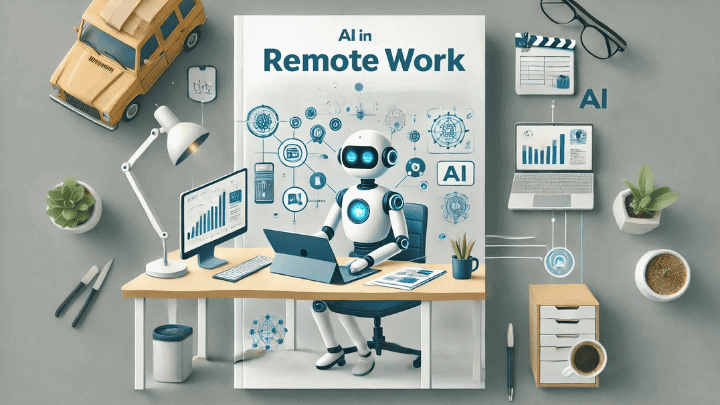
Remote work has become a permanent fixture in the modern workplace, and in 2026, AI is taking it to an entirely new level. Artificial intelligence is helping businesses and employees work smarter, faster, and more efficiently. By automating repetitive tasks, enhancing team collaboration, providing data-driven insights, and personalising workflows, AI is transforming the way remote teams operate. Companies that adopt AI are seeing higher productivity, better decision-making, and improved employee satisfaction, proving that AI is no longer optional; it’s essential for the future of work.
Automating Routine Tasks
One of the most significant impacts of AI in remote work is automation. AI tools can handle repetitive tasks such as scheduling meetings, responding to emails, generating reports, and managing spreadsheets. By taking over these time-consuming activities, AI allows employees to focus on strategic, creative, and high-value work. Automation also minimises human error and ensures consistency across tasks, which is especially important for remote teams that rely heavily on digital communication and workflow management. Employees can now achieve more in less time without feeling overwhelmed or stressed.
Automate your workflow with AI
Enhancing Collaboration Across Teams
Remote work often suffers from communication gaps, but AI is bridging those gaps effectively. AI-powered collaboration tools can summarise long meetings, highlight key action items, and even provide real-time translations for global teams. Virtual assistants and AI chatbots track project progress, send reminders, and provide updates automatically, reducing the need for constant check-ins. This ensures seamless collaboration across time zones and empowers teams to stay aligned on goals, deadlines, and deliverables.
Boost team collaboration with AI
Smarter Decision Making
AI does more than automate tasks; it provides actionable insights that improve decision-making. Remote teams can leverage AI analytics to track performance, predict trends, and identify potential bottlenecks before they become problems. From predictive sales forecasts to project management dashboards, AI equips managers with the data needed to make informed, timely decisions. This reduces guesswork, helps teams stay on track, and ensures projects are completed efficiently.
Make smarter business decisions
Personalised Work Experiences
AI can also personalise the remote work experience. By analysing work habits, productivity patterns, and preferences, AI tools recommend optimal schedules, personalised training, and tailored project assignments. This level of personalisation boosts engagement, motivation, and efficiency. Employees feel supported and empowered, which improves overall satisfaction and helps maintain a healthy work-life balance, even when working from home.
Enhance employee experience with AI
Ethical Considerations and Challenges
Despite its benefits, AI in remote work raises ethical and privacy concerns. Over-reliance on automation, data security, and transparency is a critical factor that companies must consider. Responsible AI usage ensures trust, maintains authenticity, and balances human creativity with machine efficiency.
Implement AI responsibly
AI is transforming remote work by automating tasks, improving collaboration, enabling smarter decisions, and personalising experiences. Companies that adopt AI effectively will see increased productivity, stronger engagement, and better outcomes. In 2026, remote work is no longer just about location; it’s about how humans and AI work together intelligently to achieve results.