







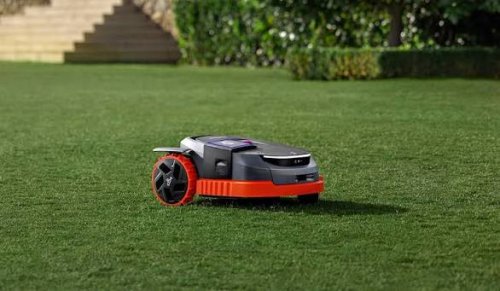
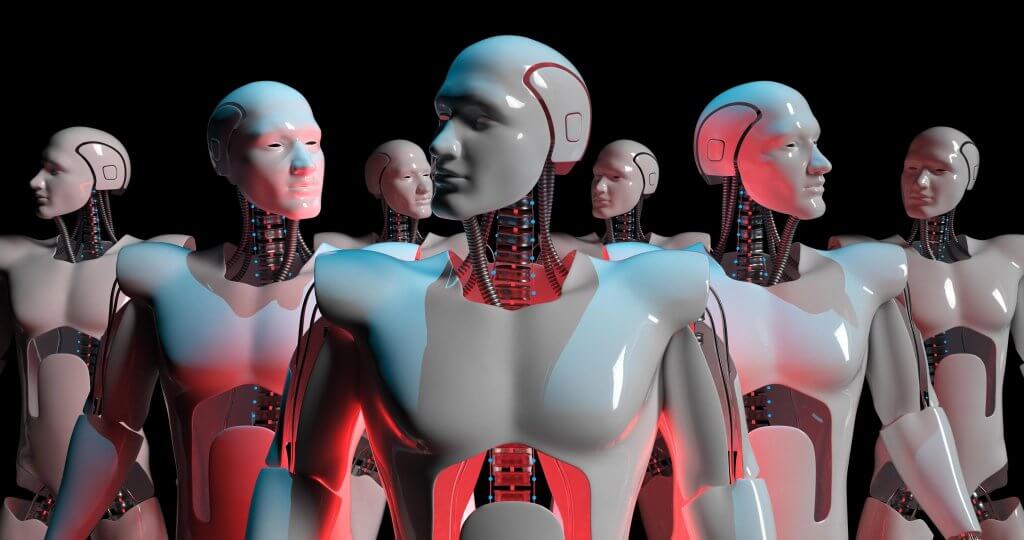
Humanoid robots are no longer just characters from science fiction movies. In 2026, companies are actively developing robots designed to walk, interact with people, handle objects, and perform useful physical tasks. While fully capable robot assistants are not yet common in homes, the technology is moving quickly from demonstrations toward real world applications.
So, what could happen when humanoid robots become part of everyday life?
Your Home Could Have a Robot Assistant
Imagine coming home to a robot that can tidy up rooms, move objects, help prepare simple meals, or handle repetitive household chores.
Home environments are among the hardest places for robots to operate because they are unpredictable, cluttered, and constantly changing. Still, companies are beginning to test humanoid robots for household applications, while newer AI systems are improving robots’ ability to understand their surroundings.
Explore the latest home robotics innovations.
Everyday Chores Could Become Easier
One of the biggest attractions of humanoid robots is their potential to handle repetitive physical work. Tasks such as carrying objects, organizing items, loading appliances, or performing basic cleaning could eventually be delegated to robots. Research is also advancing robotic manipulation in kitchens, including tasks such as moving dishes and handling everyday objects. That could give people more time for work, hobbies, family, and relaxation.
Discover smart technology designed to simplify daily life.
Robots Could Transform the Workplace
The workplace may be where humanoid robots make their biggest early impact. Factories and warehouses already provide controlled environments where robots can perform repetitive tasks. Stanford’s 2026 AI Index highlights industrial pilots, including a humanoid robot working on a BMW production line for more than 1,250 hours and handling over 90,000 parts. Humanoids could eventually take on physically demanding or repetitive jobs while humans focus more heavily on supervision, creativity, decision making, and specialized skills.
See where robotics is taking the future of work.
Elder Care and Assistance Could Change
Humanoid or socially assistive robots could also provide support for people who need help with everyday activities. Future systems could potentially remind users about schedules, retrieve objects, communicate with family members, monitor certain situations, or provide companionship. Research into in home social robots is already exploring how robots could support people while keeping caregivers informed. The goal would not necessarily be to replace human care, but to provide an additional layer of assistance.
Explore the future of assistive robotics.
The Future May Be Human + Robot
The most realistic future isn’t necessarily robots replacing humans. Instead, humans and robots could work together. Robots may handle physically demanding, repetitive, or hazardous tasks while people concentrate on communication, creativity, strategy, and emotional intelligence. As AI becomes better at understanding the physical world, this collaboration could become increasingly natural. Humanoid robots are still an emerging technology, but their progress suggests that the boundary between digital AI and the physical world is rapidly disappearing.
Final Thoughts
Humanoid robots could eventually change everything from household chores to manufacturing, caregiving, and personal assistance. However, 2026 is still an early chapter. The technology is advancing quickly, but reliability, affordability, safety, privacy, and practical usefulness must improve before robot helpers become ordinary household appliances.
The robot filled future isn’t here yet, but it’s getting closer.
Ready for the next generation of technology? Explore the latest robotics innovations today.