






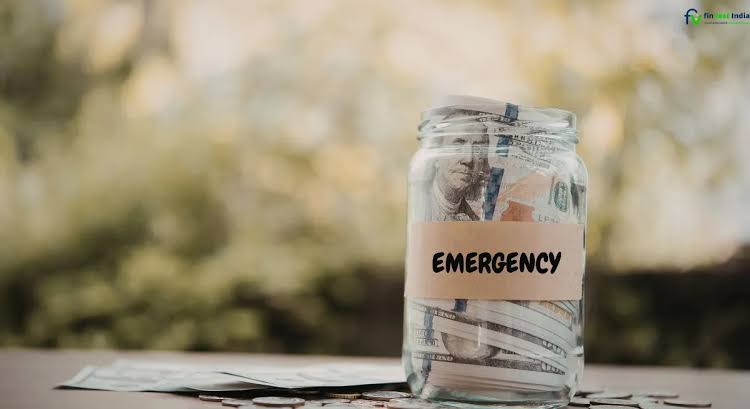
Life is full of unexpected expenses, from medical emergencies to car repairs and sudden job loss. An emergency fund acts as a financial safety net, helping you handle these situations without relying on credit cards or loans. Building one may take time, but it’s one of the smartest financial decisions you can make.
Start building your emergency fund today and gain peace of mind for the future.
What Is an Emergency Fund?
An emergency fund is money set aside specifically for unexpected expenses. It should only be used for genuine emergencies, not everyday spending or planned purchases.
Open a dedicated savings account to keep your emergency fund separate.
Why You Need an Emergency Fund
Unexpected costs can happen at any time. Having savings available helps reduce financial stress and prevents debt from piling up during difficult situations.
Protect your finances by preparing for life’s surprises.
How Much Should You Save?
Most financial experts recommend saving three to six months’ worth of essential living expenses. Start with a smaller goal, such as $500 or $1,000, and build from there.
Set a realistic savings goal and increase it over time.
Choose the Right Savings Account
Keep your emergency fund in a secure account that earns interest and allows quick access when needed. A high-yield savings account is often a great option.
Compare savings accounts and choose one that helps your money grow.
Create a Monthly Savings Plan
Saving regularly is more effective than waiting until you have extra money. Automate transfers from your paycheck or checking account to stay consistent.
Automate your savings and make building your fund effortless.
Cut Unnecessary Expenses
Review your monthly spending and identify areas where you can save. Even small reductions in dining out, subscriptions, or impulse purchases can add up over time.
Redirect everyday savings toward your emergency fund.
Rebuild After Using It
If you need to use part of your emergency fund, begin replenishing it as soon as your financial situation improves. Consistency is key to staying prepared.
Make rebuilding your savings a top financial priority.
Common Mistakes to Avoid
Avoid spending your emergency fund on vacations, shopping, or luxury purchases. Also, don’t keep it in risky investments that may lose value when you need the money most.
Keep your emergency savings safe and easily accessible.
Benefits of Having an Emergency Fund
An emergency fund provides financial stability, reduces stress, prevents unnecessary debt, and gives you confidence during uncertain times. It also helps you stay focused on your long-term financial goals.
Build financial confidence by creating your emergency fund today.
Tips to Stay Motivated
Track your progress, celebrate small milestones, and remind yourself why you’re saving. Watching your balance grow can encourage you to stay consistent.
Stay committed and watch your financial safety net grow month after month.
Final Thoughts
An emergency fund is one of the strongest foundations of personal finance. By saving consistently, controlling expenses, and preparing for unexpected events, you can protect yourself from financial setbacks and enjoy greater peace of mind. No matter your income level, starting today is the first step toward a more secure financial future.