






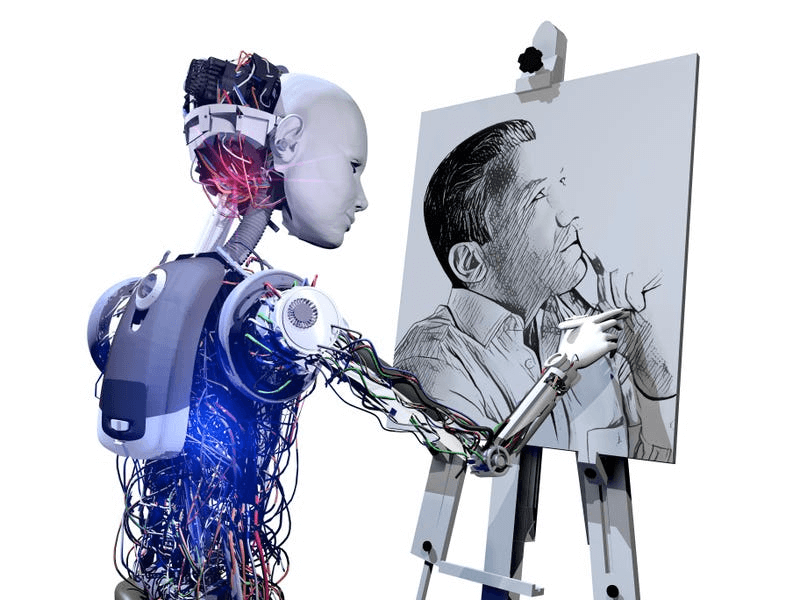
AI-generated art is rapidly gaining attention in 2026, from digital illustrations and music to sculptures and multimedia creations. While the technology offers incredible creative possibilities, it also raises complex ethical and legal questions. Chief among them: who owns AI-generated art? Is it the person who created the prompt, the developer of the AI, or does the artwork belong to no one? Understanding these ethical and ownership issues is crucial for artists, businesses, and collectors navigating the new era of AI creativity.
Understanding AI-Generated Art
AI-generated art is created using algorithms trained on vast datasets of existing artwork, music, and literature. By learning patterns, styles, and structures, AI systems can produce original pieces that mimic human creativity. This capability has opened doors for artists and designers to explore new styles, create content faster, and push boundaries beyond traditional methods. However, this also complicates the notion of authorship. Unlike a human artist, AI does not have legal or moral rights, and the creation process often depends heavily on human input.
Who Holds the Copyright?
One of the most debated questions is copyright ownership. In many jurisdictions, copyright laws were designed with human creators in mind. Some legal experts argue that the person providing the prompt or operating the AI should be considered the author, while others suggest the AI developer or software company may have rights over the generated work. In the absence of clear regulations, disputes are already emerging in the art and music industries. Artists and companies must carefully document their creative input and agreements when using AI tools to avoid legal challenges.
Ethical Considerations
Beyond legality, there are ethical questions. AI-generated art often relies on datasets containing works by human artists, sometimes without explicit permission. Using these datasets raises concerns about originality, fair compensation, and acknowledgement of original creators. Additionally, the proliferation of AI art could impact traditional artists, potentially reducing demand for human-made creations. Balancing innovation with ethical responsibility is essential to ensure AI augments creativity rather than exploits existing art.
Transparency and Attribution
Transparency is a key principle in AI-generated art ethics. Clearly indicating when a piece is AI-generated helps maintain trust with audiences and prevents deception. Attribution, even when legally not required, ensures recognition for both the human operators and the original artists whose works inspired the AI. Platforms, galleries, and creators are now developing standards for AI-generated art disclosure, fostering accountability and fairness in the emerging market.
AI-generated art challenges traditional ideas of creativity, ownership, and ethics. As technology advances, artists, collectors, and businesses must navigate these questions thoughtfully. Ownership may depend on legal frameworks, ethical considerations, and transparency practices. By understanding the complexities, stakeholders can embrace AI art responsibly, ensuring innovation and creativity coexist with fairness and respect for human artistry.