








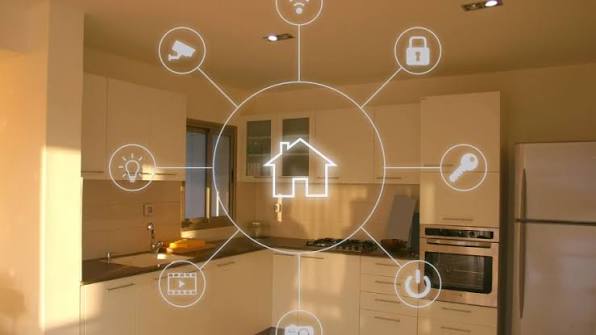
Smart home technology is changing how people live, work, and manage their homes. From smart lights and thermostats to security cameras, voice assistants, and connected appliances, these devices can make everyday tasks more convenient and efficient. As technology continues to advance in 2026, smart homes are becoming more connected, automated, and personalized. However, these benefits also come with privacy, security, and compatibility concerns. Understanding both the advantages and risks can help homeowners make smarter technology choices.
What Is Smart Home Technology?
Smart home technology refers to internet-connected devices that can be controlled remotely or automatically. Users can manage lighting, temperature, security systems, appliances, and entertainment through smartphones, voice commands, or centralized smart home platforms. Automation allows devices to work together based on schedules, sensors, or user preferences, creating a more convenient living environment.
Discover smart home products that fit your lifestyle and simplify everyday routines.
Benefits of Smart Homes
One of the biggest advantages of smart home technology is convenience. Users can control multiple devices without manually operating each one. Smart thermostats can adjust temperatures automatically, while smart lighting can switch off when rooms are empty. Connected appliances can also provide notifications and remote controls. Smart technology can improve energy efficiency as well. Automated systems help homeowners monitor and reduce unnecessary electricity consumption, potentially lowering energy costs.
Compare energy efficient smart devices designed to improve convenience and household efficiency.
Smart Home Security
Security is another major reason homeowners adopt connected technology. Smart cameras, video doorbells, motion sensors, smart locks, and alarm systems can provide remote monitoring and alerts. Homeowners can receive notifications when unusual activity is detected and check connected cameras remotely. Smart locks can also provide keyless entry and temporary access codes. These technologies can improve awareness and convenience, although they should always be configured with strong security settings.
Explore trusted smart security devices to strengthen your home’s monitoring and access control.
Risks and Privacy Concerns
Smart home technology isn’t without risks. Because many devices connect to the internet, poor security practices can expose accounts or personal information. Some devices collect data about household activity, usage patterns, or user preferences. Weak passwords, outdated software, and unsecured networks can increase cybersecurity risks. Consumers should choose reputable manufacturers, enable two-factor authentication where available, update firmware regularly, and review privacy settings before connecting devices.
Choose smart home technology from reputable brands and prioritize products with strong security and privacy features.
Future Trends in Smart Homes
The future of smart home technology is expected to focus heavily on artificial intelligence, automation, energy management, and improved interoperability. AI-powered systems can learn household routines and make intelligent adjustments automatically. Smart energy systems may help homeowners monitor consumption more effectively, while advanced sensors could create more responsive environments. As connected home standards improve, consumers may also find it easier to combine devices from different manufacturers.
Stay ahead of the trend by exploring the latest AI-powered and energy-efficient smart home solutions.
How to Choose Smart Home Devices
Before purchasing a connected device, consider compatibility, security, privacy policies, features, reliability, and long term software support. It’s also important to determine whether the device genuinely solves a problem rather than adding unnecessary complexity. Starting with a few useful devices and expanding gradually can make building a smart home more affordable and manageable.
Compare smart home products carefully and invest in devices that provide genuine long term value.
Conclusion
Smart home technology offers greater convenience, energy efficiency, security, and automation. However, privacy concerns, cybersecurity risks, and compatibility issues should not be overlooked. As AI and connected home standards continue to develop, smart homes are likely to become increasingly intelligent and personalized. By choosing reputable products and using strong security practices, homeowners can enjoy the benefits of connected living while minimizing potential risks.