





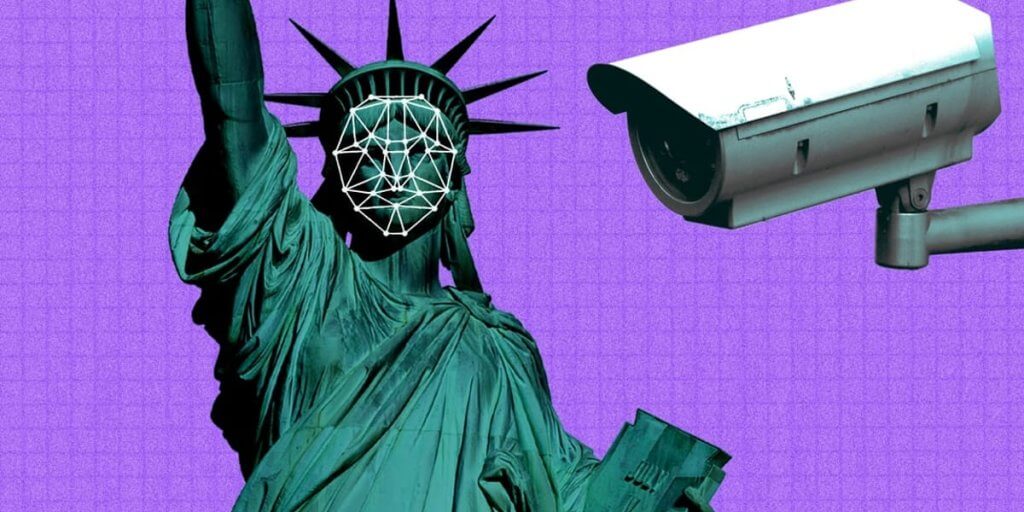
Facial recognition technology has rapidly moved from science fiction into everyday reality. From unlocking smartphones to monitoring public spaces, it’s now widely used by governments, businesses, and individuals. But as adoption grows, so does the debate: Does facial recognition improve security or threaten civil liberties?
The Case for Security
Supporters argue that facial recognition is a powerful tool for safety and crime prevention. Law enforcement agencies can use it to identify suspects, locate missing persons, and prevent threats in real time.
For example, during large public events, authorities can scan crowds to detect individuals on watchlists. Airports and border control systems also use facial recognition to speed up identity verification, reducing wait times and improving efficiency.
Major tech companies like Microsoft and Amazon have developed facial recognition systems that can process large datasets quickly, helping organizations respond faster to potential risks.
In this context, facial recognition is seen as a force multiplier enhancing human capabilities and making environments safer.
The Civil Liberties Concern
Critics warn that facial recognition poses serious risks to privacy and individual freedoms. Unlike passwords or ID cards, your face is permanent and cannot be changed, making misuse particularly dangerous.
Civil rights organizations like American Civil Liberties Union argue that widespread surveillance can lead to a “chilling effect,” where people feel constantly watched and may alter their behavior.
Key concerns include:
- Mass surveillance without consent
- Data misuse or breaches
- Lack of transparency in how data is stored and used
- Potential government overreach
In some cases, facial recognition has been used without public knowledge, raising ethical questions about consent and accountability.
Bias and Accuracy Issues
Another major issue is accuracy. Studies have shown that some facial recognition systems are less accurate for women and people with darker skin tones, leading to potential misidentification.
This raises concerns about fairness, especially in law enforcement scenarios where false matches could result in wrongful arrests or discrimination.
Companies like IBM have even stepped back from offering facial recognition tools due to ethical concerns, highlighting the seriousness of the issue.
Global Regulation and Response
Governments around the world are taking different approaches. Some countries have embraced facial recognition for security, while others have imposed restrictions or outright bans.
For instance, parts of Europe have introduced stricter data protection laws under frameworks like General Data Protection Regulation (GDPR), limiting how biometric data can be collected and used.
Meanwhile, cities in the U.S. have debated or banned facial recognition in public spaces, reflecting growing concern about privacy rights.
Finding the Balance
The challenge is not whether facial recognition should exist but how it should be used responsibly. Experts suggest a balanced approach that includes:
- Clear regulations and legal frameworks
- Transparency in data collection and usage
- Strict limits on surveillance
- Independent oversight and accountability
When properly regulated, facial recognition could enhance security without undermining civil liberties.
Final Thoughts
Facial recognition sits at the intersection of innovation and ethics. It has the potential to make societies safer, but also the power to erode privacy and freedom if left unchecked.
The future of this technology depends on how governments, companies, and citizens choose to manage it.
In the end, the real question isn’t just about technology it’s about values:
How much privacy are we willing to trade for security?